











Explore Touristhub Holidays LLP is a Kolkata-based tour and travel company that has been operating for over six years, building a strong reputation as one of the trusted tour operators in eastern India.
The brand designs and runs group tour packages across a wide spread of destinations — from North East India (Arunachal, Sikkim, Meghalaya, the Seven Sisters) and island getaways like Lakshadweep and Andaman, to Kashmir, Ladakh, Rajasthan, and Kerala, as well as international packages including Bhutan, Bali, Sri Lanka, the Maldives, and beyond.
Disorganised campaign structure:
The existing Meta setup was not structured or organised in a way that allowed the sales team to manage and act on incoming leads efficiently.
No algorithmic learning history:
The previous agency ran ads from the agency’s own ad account. This meant there was no campaign history attached to Touristhub’s own account for Meta’s delivery system to learn from and optimize against, forcing performance to effectively start from zero.
Inconsistent lead flow:
Because the sales team depended on Meta as its primary lead source, the biggest challenge was the lack of a steady, predictable inflow. The campaigns needed to become a reliable lead-driving engine rather than an unpredictable one.
Competitive travel category:
Group tour advertising sits in a crowded, visually driven feed where capturing traveller attention and converting it into action efficiently requires sharp creative and disciplined targeting.
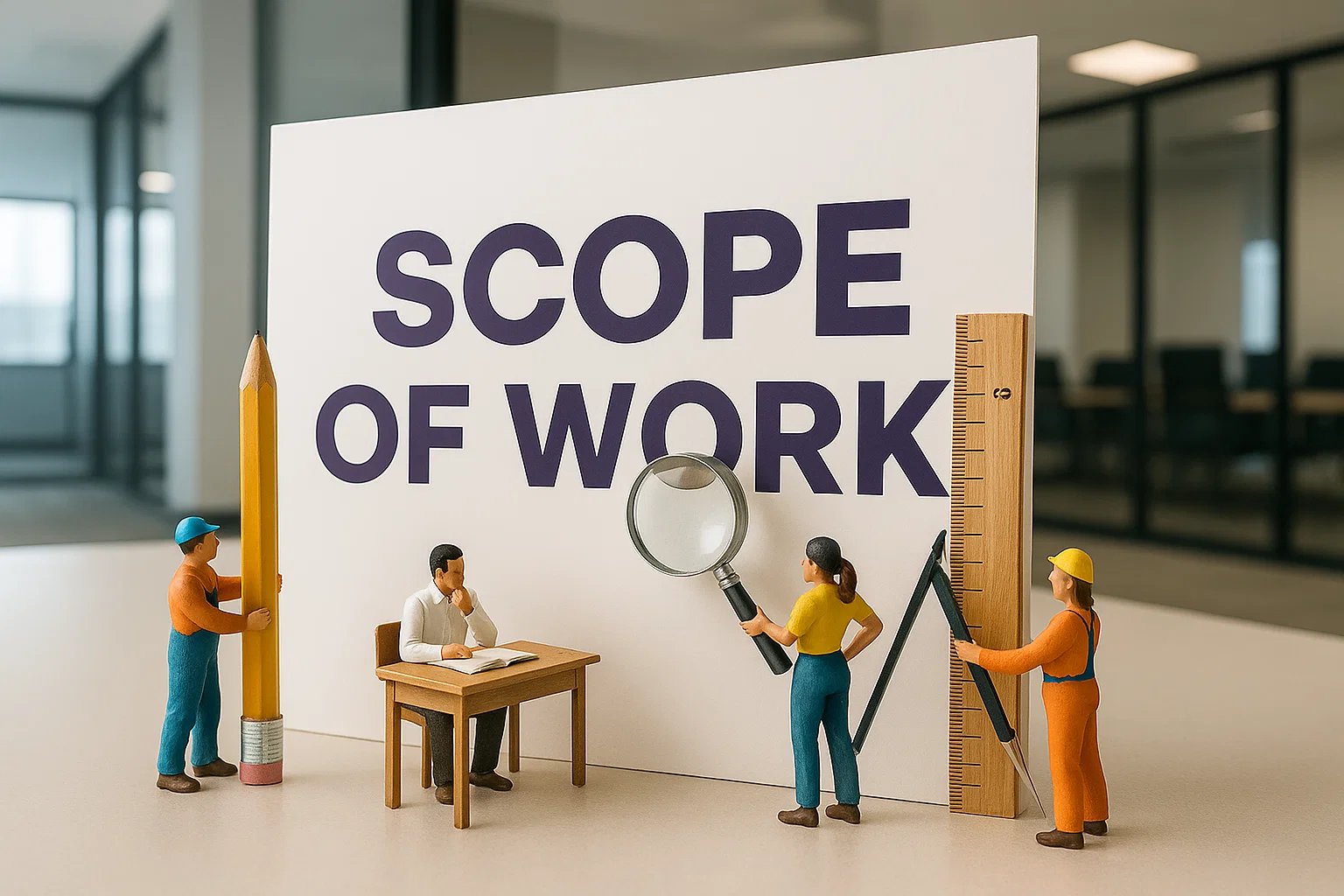
The scope centred on rebuilding the Meta advertising program into a structured, measurable, and scalable lead-generation system. DSL worked across account and campaign restructuring, ad account migration to Touristhub’s own asset, audience and targeting strategy, creative direction across image and video formats, destination-specific campaign builds, and ongoing optimisation of cost per messaging conversation and cost per lead.
The work also included establishing a messaging-first lead strategy, building region-specific creative variations, monitoring format performance (video versus image), and allowing campaigns to run consistently so Meta’s delivery system could learn and improve efficiency month over month.
DSL approached the account with the understanding that the travel buyer prefers immediate, conversational contact over static forms. Rather than spreading the budget thin across mixed objectives, our team built the strategy around a messaging-first model, supported by localised creative and consistent campaign run-time.
The work began by restructuring the account so the sales team could clearly track and manage incoming conversations. Campaigns were organised around individual destinations such as Arunachal, Lakshadweep, and Bhutan, allowing budget and creativity to be matched to demand for each region.
From there, DSL focused on building a body of campaign history within Touristhub’s own ad account, giving Meta’s algorithm the consistent signals it needed to identify and reach the audiences most likely to book a tour.
Creative strategy was treated as a core lever rather than an afterthought. Our team tested video and image formats in parallel to understand where each performed best, and developed region-specific creative tailored to traveller location.
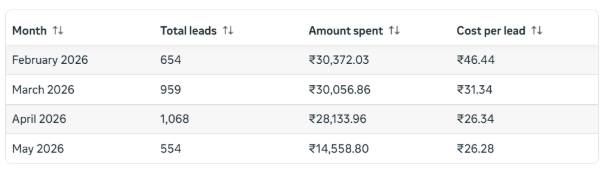
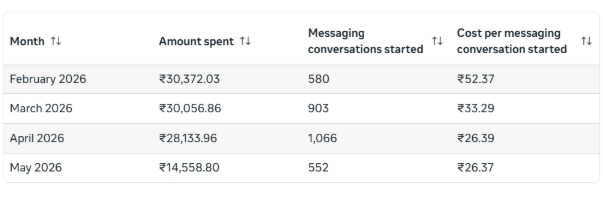
Campaigns were then allowed to run steadily from February through May so the delivery system could compound its learning and drive efficiency upward over time.

Account restructuring for sales visibility:
DSL reorganised the campaign structure so that incoming messaging leads were easy for the sales team to receive, track, and follow up on, removing the friction that had previously limited lead management.
Migration to Touristhub's own ad account:
Ads were moved onto Touristhub’s own asset so that all campaign data and learning accrued to the business itself, building a durable optimisation history for Meta’s algorithm instead of leaving it with the previous agency.
Messaging-first lead strategy:
Recognising that travellers prefer conversational contact, We prioritised messaging objectives across Messenger, Instagram Direct, and WhatsApp. This focus drove the overwhelming majority of inquiries, with messaging generating over 23 times more leads than lead forms (3,101 conversations versus 134 form fills).
Destination-specific campaign builds:
Campaigns were organised by destination, allowing budget and messaging to align with demand for high-interest tours such as Lakshadweep, Bhutan, and Arunachal.
Format synergy between video and image:
Our team used video creative to capture attention in the feed, where it consistently delivered higher click-through rates (often exceeding 1.10%, with one Arunachal video reaching 1.13% CTR versus 0.62% for the image version). Image creative was used to drive efficient conversions, frequently achieving a lower cost per result once interest was captured.
Localised creative:
Region-specific ads were developed to speak directly to travellers by location. This personalisation lowered acquisition costs significantly, with a West Bengal–targeted Lakshadweep video reaching one of the lowest costs per message at ₹17.62.
Strong video retention:
Video storytelling held audience attention effectively, with the Arunachal video ad generating over 18,000 ThruPlays, indicating completed views that translated into messaging actions.
Consistent run-time for algorithmic learning:
By running campaigns steadily across four months, DSL allowed Meta’s delivery system to continually refine its targeting, driving cost efficiency down as the campaigns matured.