AI

To rank in ChatGPT, brands need to focus on six key areas: indexing your site in Bing, structuring content for AI extraction, earning third-party mentions on review sites and publications, implementing schema markup, participating authentically in forums like Reddit, and keeping content regularly updated.
Unlike Google, ChatGPT does not rank pages, it generates answers by drawing on training data, Bing’s live web index, and third-party authority signals.
Outbound referral traffic from ChatGPT to the rest of the web grew 206% in 2025, and ChatGPT now accounts for 87.4% of all AI referral traffic across major industries.
If your brand is not in those answers, you do not exist at the moment buyers are forming decisions.
This article covers what actually determines whether ChatGPT mentions your brand, six practical strategies to improve your chances, and how to track whether any of it is working.
Most people assume ranking in ChatGPT works like Google. Write good content, earn backlinks, climb a list. That is not how it works.
ChatGPT does not rank pages. It generates answers.
And when it decides which brands to name or cite, it is not consulting a leaderboard. It is drawing on what it has learned and, sometimes, what it can currently find on the web.
Here is the part that surprises most people.
ChatGPT enables its search feature on just 34.5% of queries as of February 2026, down from 46% in late 2024, meaning most responses still rely on training data alone.
Think about what that means for your strategy.
For the majority of questions users ask, ChatGPT is not checking your website at all. It is drawing on patterns built into it during training. Patterns that came from Wikipedia, press coverage, review platforms, forums, and published web content, including content from your site, if it was authoritative enough to be included.
And when ChatGPT does name brands, it does not always link to them.
ChatGPT cites sources 87% of the time but mentions brands in only 20.7% of answers, functioning more like an academic paper with footnotes.
Getting mentioned, not just linked, is the real measure of visibility here.
The implication is significant. This is not purely an SEO problem. It is a brand presence problem. And it requires a different kind of AI search optimisation thinking.
Before any tactic makes sense, you need to understand the three inputs that shape ChatGPT’s responses.
This is the foundation.
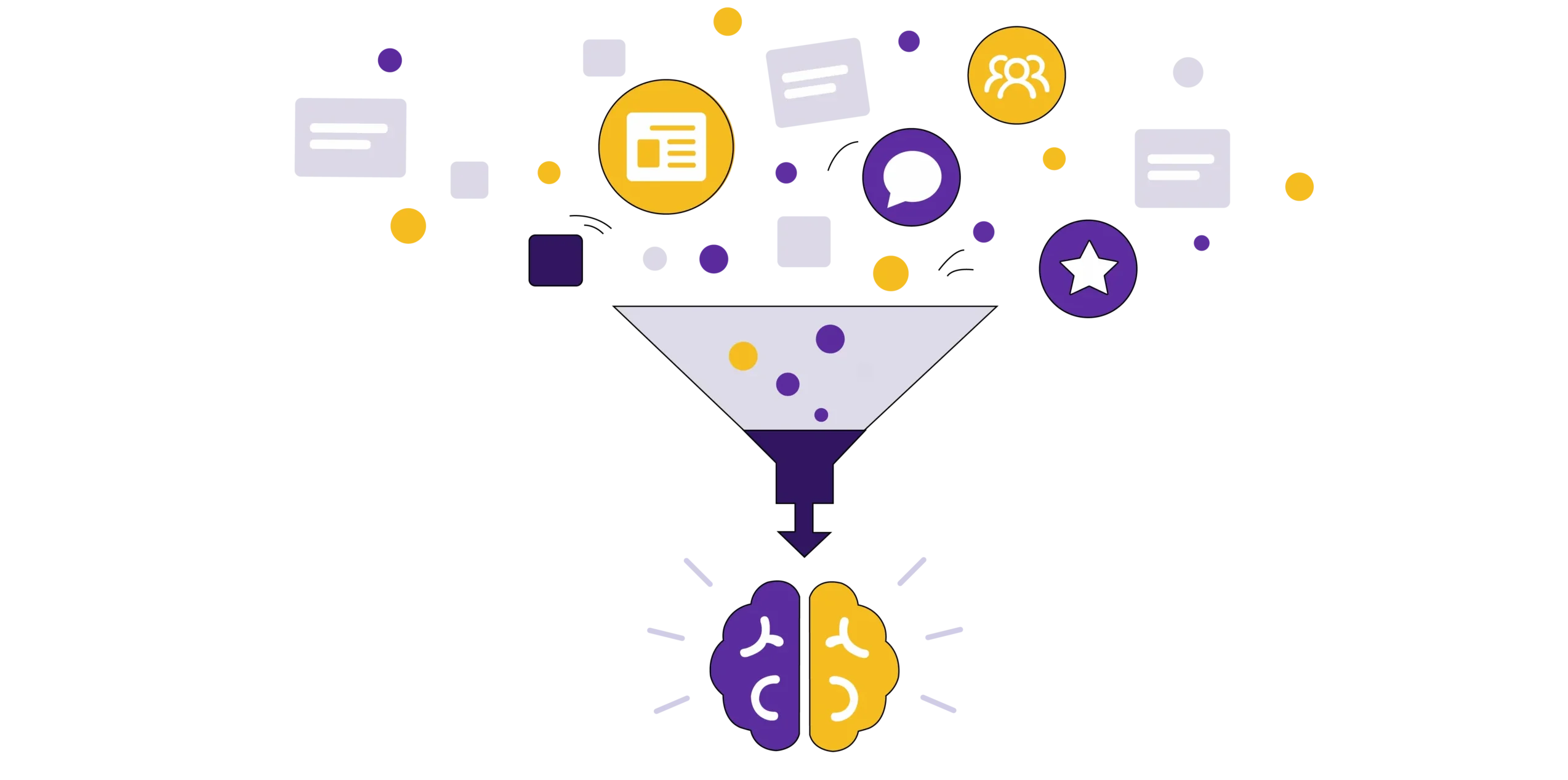
ChatGPT was trained on a vast crawl of the web: Wikipedia articles, news coverage, Reddit discussions, industry publications, review sites, and more.
If your brand has been consistently written about in credible, third-party sources over time, that history is baked into how ChatGPT “knows” you. It shapes whether your name surfaces when someone asks a relevant question.
This is a long game. But it is also the most durable form of AI visibility.
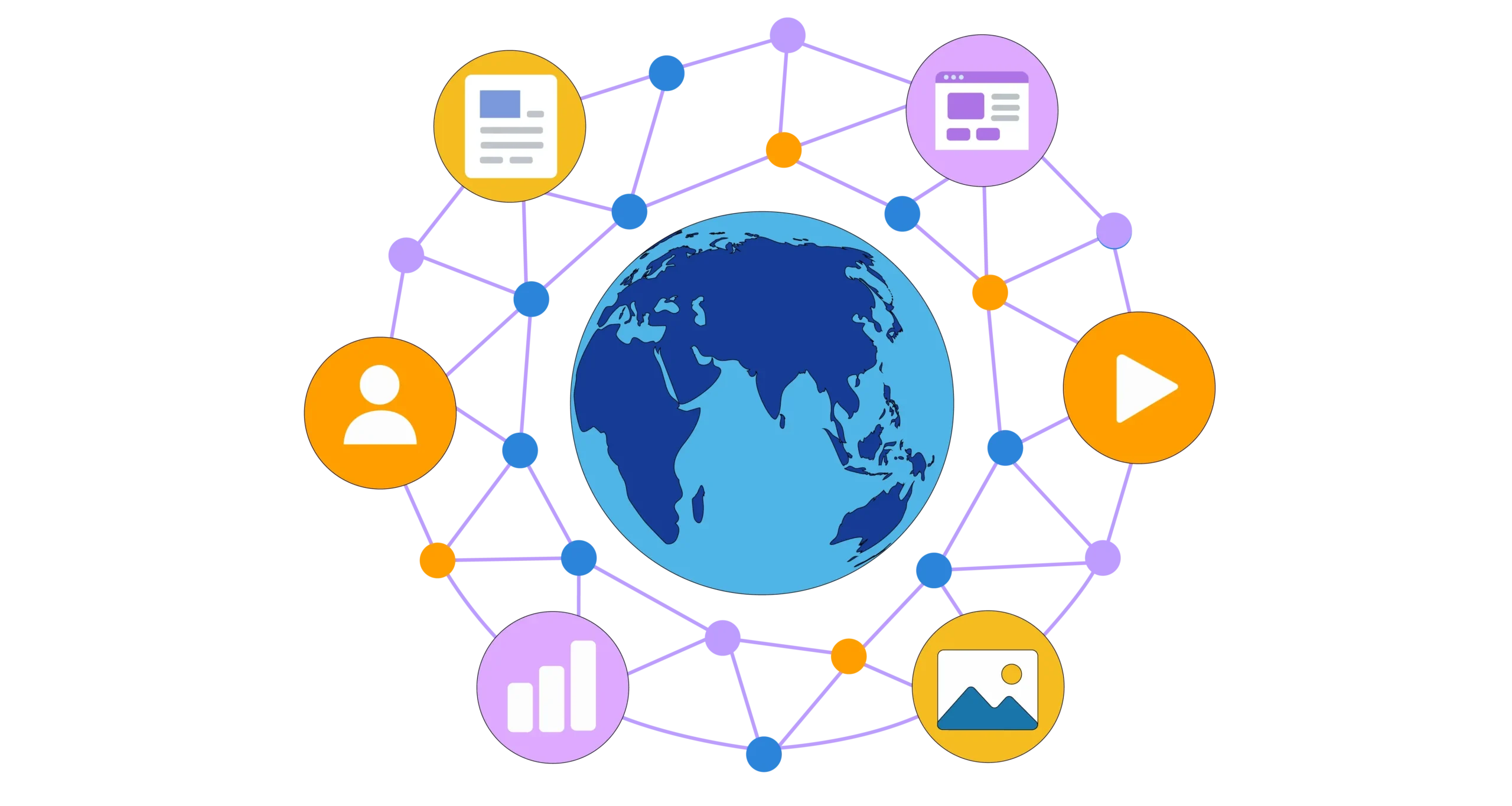
When ChatGPT does run a live search, it does not use Google. ChatGPT uses Bing for its web search capabilities when the search feature is enabled, allowing it to access real-time information and provide citations from current web sources, through the partnership between OpenAI and Microsoft.
Seer Interactive’s analysis found that 87% of SearchGPT citations match Bing’s top results, and only about 12% of Google rankings transfer to ChatGPT citations.
Most businesses in India, and globally, have never set up Bing Webmaster Tools. Their pages are poorly indexed or not indexed at all on Bing. That is a direct gap in their ChatGPT visibility, and it is fixable in under an hour.
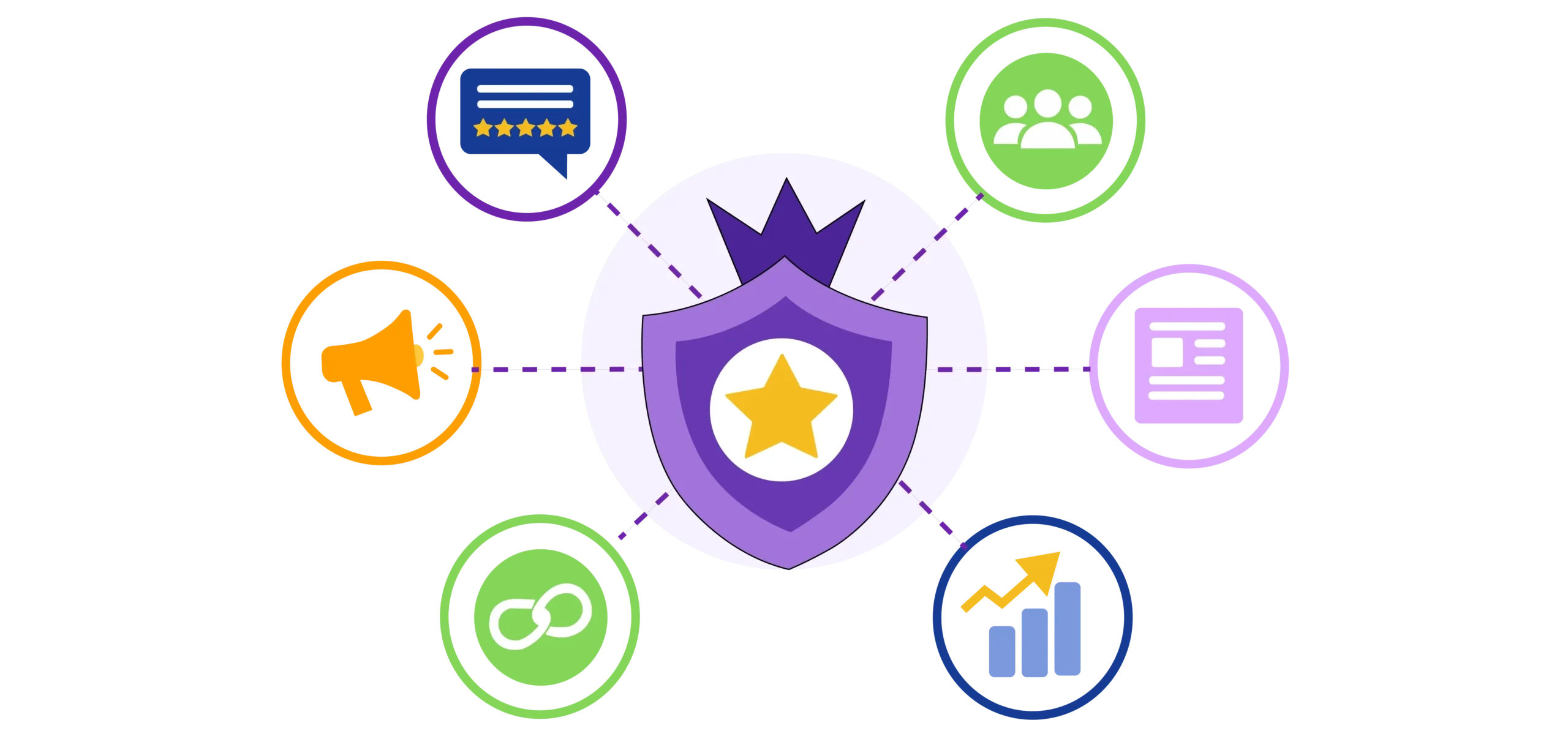
The third input is what others say about you, not what you say about yourself.
Review platforms, forum discussions, press mentions, comparison articles, and directory listings all feed into how authoritative ChatGPT considers your brand to be.
The top five metrics that consistently drive LLM citations are
If your brand only lives on your own website, ChatGPT has little to draw from.

This is the highest-impact, lowest-effort step most businesses are missing.
Set up Bing Webmaster Tools, verify your site, and submit your XML sitemap.
If you already have Google Search Console set up, Bing Webmaster Tools can be imported directly from Google Search Console and takes about four minutes.
Enable IndexNow while you are there. It pushes content updates to Bing’s index faster, which means new or updated pages become eligible for ChatGPT citations sooner.
This is the highest-impact, lowest-effort step. If Bing cannot find your pages, ChatGPT cannot cite them.
Once indexed, check that your most important pages are actually crawlable. That leads to the next point.
ChatGPT does not read your page the way a human does.
It extracts the most relevant portion and synthesises it into a response. If your content is buried under brand messaging, it gets skipped.
Start every page with a clear definition or direct answer. The opening paragraph is what AI models extract most heavily. If your first paragraph is a vague introduction or story, ChatGPT will skip to a source that answers the question faster.
Structure matters too:
Dense paragraphs over 100 words are harder for AI models to parse and quote accurately.
And critically, 44.2% of all LLM citations come from the first 30% of text. Front-loading your key answer is not just good writing practice. It is a citation strategy.
One more thing to check: 46% of ChatGPT bot visits begin in reading mode, a plain HTML version of a webpage with no images, CSS, JavaScript, or schema markup.
That means if your key content only appears after JavaScript loads, ChatGPT may never see it. Build your core pages on clean, crawlable HTML.
This is where most content strategies stop short.
They invest everything into owned channels and ignore what everyone else is saying. For ChatGPT visibility, that is the wrong priority.
Distributing content to a wide range of publications can increase AI citations by up to 325% compared to only publishing the content on your own site.
Start with review platforms.
If you are a B2B brand and you are not listed on G2 or Capterra, start there today. If you are a service business, Trustpilot and industry-specific directories matter. The data is clear on this.
Then target earned media. Get featured in comparison articles, industry round-ups, and “best of” listicles.
40.86% of commercial queries cite listicles, and these are the exact queries your buyers are asking. Being named in a well-ranked listicle on a high-authority domain is often more valuable for ChatGPT visibility than a new blog post on your own site.
Kevin Indig’s Growth Memo analysis of three million ChatGPT responses and 18,000 verified citations found that 53.5% of search-triggering prompts carry commercial intent.
That is the audience you want. And they are finding brands through third-party sources, not brand websites.
Two technical signals stand out in the research: schema markup and page speed.
On schema, sequential heading structures increase citation odds by 2.8x, and pages using FAQ or HowTo schema markup are 78% more likely to be cited.
Prioritise Article schema with clear authorship, FAQ schema for question-based content, and Organisation schema for your main brand pages.
Add entity properties like sameAs, brand, and service to strengthen your brand’s identity in the knowledge graph.
On speed, the gap is significant.
Pages with fast load times attract considerably more citations than slower ones. Compress images, move to a CDN, and strip unused JavaScript from your core pages.
Now check your robots.txt file.
ChatGPT relies on two crawlers: OAI-SearchBot for search and GPTBot for training.
To appear in answers, you must allow the first one. Many sites are accidentally blocking these crawlers, making themselves invisible in AI answers.
Blocking training bots is a legitimate choice. Blocking the live retrieval bots is not, if you want to be cited.
The known AI crawlers to explicitly allow in your robots.txt are: GPTBot, OAI-SearchBot, ChatGPT-User, ClaudeBot, and Bingbot.
Authentic forum participation builds the kind of organic third-party presence that training data is built from.
Reddit and Quora are primary signal sources for generative engines.
The reason is simple: these platforms answer questions directly and without sales intent. That is exactly what ChatGPT is looking for when it generates a response. Y
our brand pages lead with “book a demo.” Reddit has a thread where ten people compared your product against competitors. ChatGPT cites the thread.
The strategy here is not self-promotion. It is genuine participation.
Answer questions in subreddits relevant to your industry. Contribute useful perspectives on Quora. If your product or service genuinely helps people, organic mentions follow. Those mentions compound over time and feed both training data and live retrieval.
New content typically enters ChatGPT citation pools within 3 to 14 days of publication, provided the page is indexed in Bing and accessible to OAI-SearchBot.
Pages with existing domain authority and topical relevance tend to be cited faster. Updating existing high-authority pages often produces results more quickly than publishing entirely new content.
Outdated content gets skipped, not because ChatGPT reads the date, but because the information no longer aligns with what more current sources say.
Staying current keeps you in contention.
There is no ChatGPT Search Console. You cannot log in and see your impressions or citation count. You have to measure this manually and with the right tools.
Do this regularly across different prompt variations, because SparkToro’s research found less than 1% citation consistency across repeated identical queries.
However, your brand’s overall visibility percentage remains relatively stable, meaning your chance of appearing across multiple runs of the same query is consistent even though individual citations rotate.
Run 20 to 30 variations of the same prompt to get a reliable read.
In Google Analytics 4, your ChatGPT traffic shows up as referral traffic from chatgpt.com.
Create a custom segment and monitor it week over week. It will be small at first, but the trend line matters.
For ongoing tracking at scale, tools like Otterly.ai, Peec AI, and Profound track brand mentions and citations across ChatGPT, Perplexity, Gemini, and other AI engines.
If you manage multiple clients or product lines, these are worth the investment.
Also worth noting: Microsoft Bing Webmaster Tools now has an AI Performance report that shows citation data directly. You can set that up and check it monthly.
If this feels like a lot, work in this order:
Free, fast, and closes the single biggest gap most brands have.
Make sure you are not accidentally blocking live retrieval.
Organisation, Article, and FAQ schemas are the starting point.
Third-party validation is the signal ChatGPT trusts most.
Think about the exact question a buyer would type into ChatGPT, then answer it in your first paragraph.
Getting named in industry publications, round-ups, and comparison posts is now part of your SEO strategy, not separate from it.
AI is replacing the top of the funnel that search never served particularly well. And AI holds a 2:1 or greater advantage at every stage from discovery through evaluation.
Buyers are using ChatGPT to shortlist brands before they ever visit a website. Your brand needs to appear on the answer to influence the exact moment decisions are forming.
The good news is that the fundamentals of good SEO are also the fundamentals of ChatGPT visibility: authoritative content, clean technical setup, strong domain authority, and genuine third-party reputation.
You are not starting over. You are adding a layer on top of what you already do.
Only 5 brands capture 80% of top AI-generated responses in any given B2B category. Most of your competitors have not started yet. That is the window.
The businesses that build this presence now will own the AI answer layer before the rest of the market catches up. We at Digital SEO Land have been successfully helping brands no matter the size, get mentioned by AI for the relevant queries their customers are searching for.
Explore our answer engine optimization services to understand the challenges we are solving, how our AEO process works and how we have helped our clients get visibility in AI searches.

AI Services



Link Building



Resources