











GS SCORE is one of India’s established Civil Services education brands, preparing aspirants for the UPSC Civil Services Examination through classroom programs in Delhi and online courses that reach students across the country. Its official platform, iasscore.in, carries the full course catalog: GS Foundation, prelims and mains test series, optional subject programs, and one-to-one mentorship.
The institute’s teaching philosophy is built on conceptual clarity and applied thinking rather than rote learning, and that same philosophy runs through its free content: subject explainers, current affairs analysis, answer writing guidance, and strategy sessions.
That makes YouTube a core channel rather than a side project. UPSC aspirants use the platform to search syllabus topics, follow daily current affairs, and judge a faculty member long before they ever pay for a course. GS SCORE had the content and the credibility. What it did not have was a channel built to be found.
Metadata was an afterthought:
Videos were going live without properly optimized titles, descriptions, and tags, which left YouTube with almost nothing to understand what a video covered or who to serve it to.
Views were falling despite consistent publishing:
Content was going out on schedule, but it was not surfacing in the search results and suggested feeds where aspirants actually find videos.
Follower growth had turned negative:
The channel was losing subscribers faster than it was adding them, a signal that discovery and retention were both breaking down at the same time.
A large evergreen library was sitting idle:
Older videos covering syllabus topics that stay relevant year after year were earning next to nothing, purely because nothing had been done to reposition them for current search demand.
Brand and personal brand visibility were thin:
The institute needed YouTube to build recognition for the GS SCORE name and for its faculty as individual educators, and the channel was doing neither at any real scale.
Monetization was underperforming:
With views trending down, the channel was earning far less from the platform than a library of that size and quality should have supported.

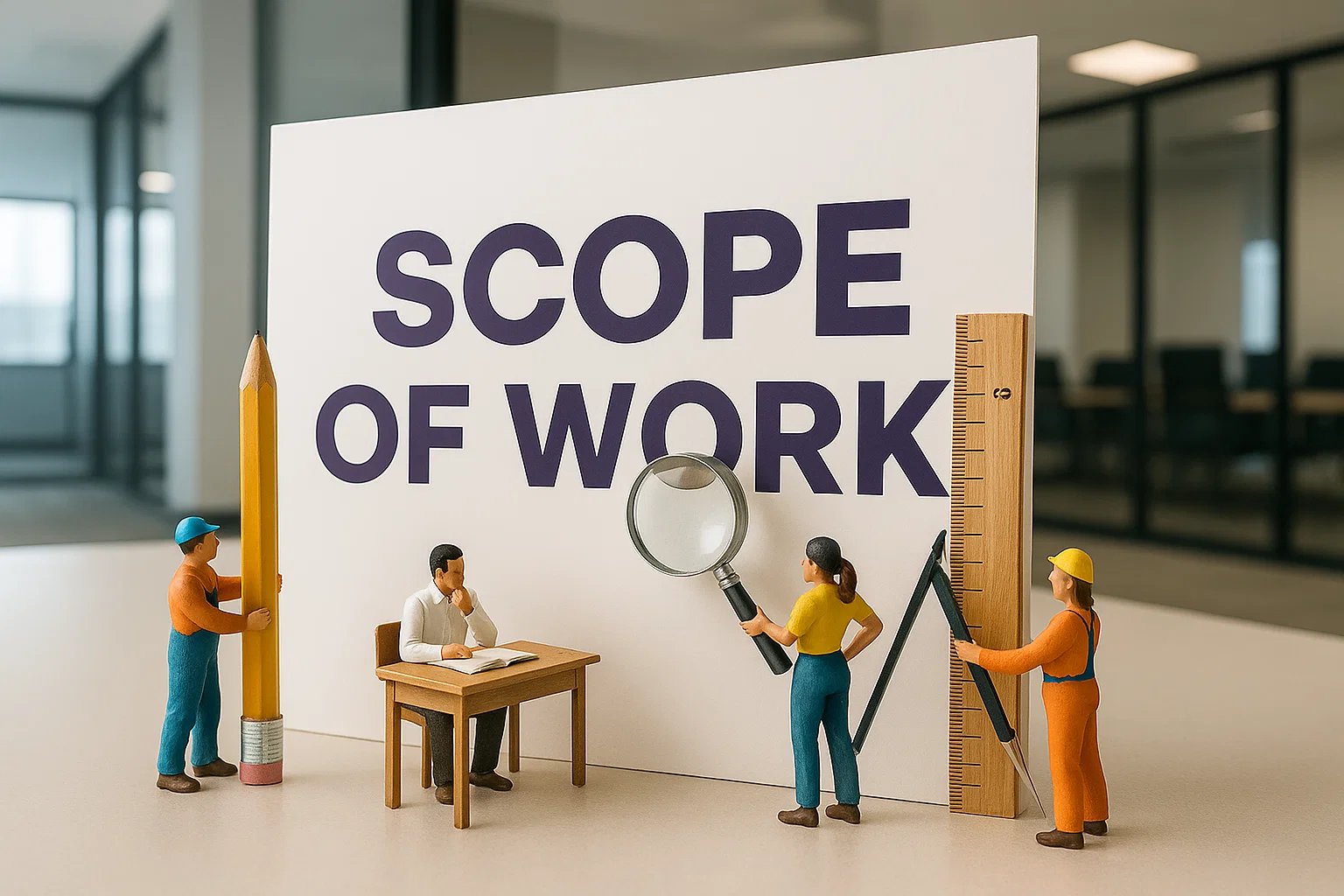
Digital SEO Land was brought in to run YouTube as a growth channel end to end, covering both the optimization layer and the production layer.
1. YouTube video optimization. Rebuilding the metadata layer across the channel: titles, descriptions, tags, and on-page video signals aligned to how aspirants search.
2. Video content editing. Producing and cutting video assets, with a heavy emphasis on Shorts as the discovery format.
3. Old content optimization. Auditing the existing evergreen library and re-optimizing the videos that still carried syllabus value.
4. Graphic design. Thumbnails, channel branding, and Shorts covers built to earn the click on a small screen.
5. New channel builds. Setting up additional channels to carry brand awareness and faculty-led personal branding.
GS SCORE did not have a content problem. It had a discovery problem. The lectures were strong and the syllabus coverage was there, but the channel was being run as an archive, a place where finished videos were parked, instead of as what YouTube actually is: a search and recommendation engine that decides what to show based on the signals it is given. So the plan was to fix the signals first, then give the algorithm far more to work with.
That pointed to three levers. Shorts, because they are the cheapest reach on the platform and they pull cold viewers into the long-form library. The existing evergreen library, because UPSC content ages well and re-optimizing a video that is already paid for is the highest-return work on the table. And new channels, because one channel trying to be the institute, the faculty, and the daily current affairs feed all at once gives YouTube a muddy topical signal and gives viewers a muddy reason to subscribe.
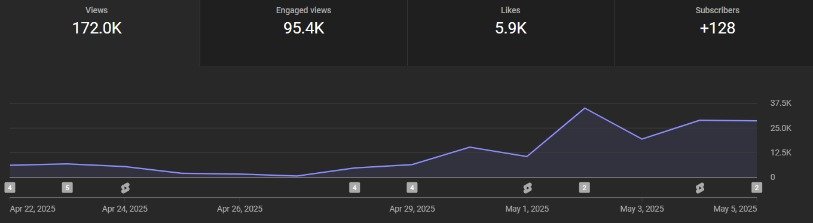

Metadata rebuilt around aspirant search language:
Titles, descriptions, and tags were rewritten to match how UPSC aspirants actually search, using syllabus terminology, exam stage, and topic names instead of internal lecture labels.
Shorts production scaled up:
Shorts output was increased significantly, with high-value moments pulled from existing long-form lectures and edited into standalone clips that could travel on their own.
Evergreen library re-optimized:
Older videos with lasting syllabus relevance were identified and refreshed with new titles, rewritten descriptions, and new thumbnails so they could start earning views again.
A thumbnail and design system:
A consistent visual treatment was designed for the channel, built to stay legible on a phone screen and to make the topic obvious in about a second.
Channel architecture reorganized:
Content was grouped into clean topic clusters by subject and exam stage, so a single view had somewhere to go next instead of ending the session.
New channels launched for brand awareness:
Additional channels were built to separate institutional brand content from faculty-led personal branding, giving each a distinct identity and a clearer reason to subscribe.