AI
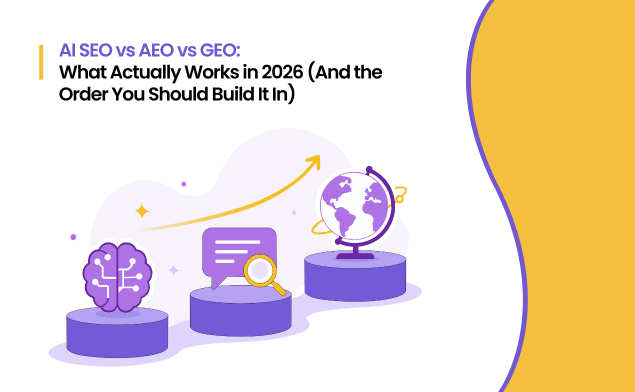


Here’s a stat that should settle most of the noise: 99% of pages cited in Google AI Overviews are already ranking in the organic top 10.
Sit with that for a second.
Every breathless LinkedIn post telling you SEO is dead, every agency pitching “AI-first” strategies that skip the basics, every founder asking if they should fire their SEO team and hire a GEO consultant.
All of it crashes into that one number.
The confusion around AI SEO vs AEO vs GEO is real, but it has made a simple thing complicated.
These are not three competing strategies. They are three layers of the same building. If you skip the foundation, the upper floors collapse. Simple as that.
This piece will give you plain definitions, the real differences in how each one works, where to focus first based on your business stage, the tactics that actually move the needle in AEO and GEO, how to measure across all three, and the mistakes most businesses are making right now.
By the end, you’ll know exactly which layer to work on next.
Before we go deeper, let’s strip the acronyms back to what they really do.
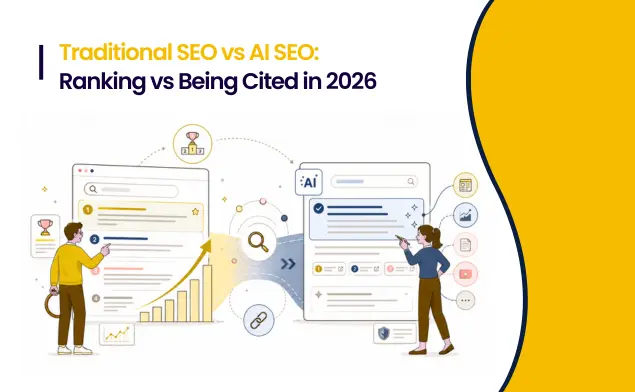
The original discipline. You optimize a page so it ranks in Google or Bing for a target query. The goal is the click. Someone searches, sees your result, and lands on your site.
This is the work you already know. Keyword research, on-page optimization, technical health, backlinks, content depth.
SEO has not gone anywhere. Google still handles billions of searches a day, and a click from a SERP is still the most common way a stranger finds your business online.
AEO is the work of structuring your content so search engines and AI tools can pull the answer directly out of it. Instead of ranking and earning a click, your content becomes the answer the user sees on the results page itself.
Think featured snippets. People Also Ask boxes. Voice search replies. Google’s AI Overviews, which now appear on roughly 16% of queries, up from around 6.5% at the start of 2025.
AEO is about being the source of the answer, even when the click never happens.
GEO is the newest piece. Its goal is to get your brand or content cited inside synthesized AI answers from tools like ChatGPT, Perplexity, Gemini, Claude, and Google AI Mode.
The numbers behind these tools are not small.
ChatGPT crossed 900 million weekly active users in 2026. Perplexity now handles around 780 million queries a month, up from 230 million in August 2024. Google AI Mode reaches over 2 billion users monthly across 200 plus countries.
When someone asks one of these tools a question, GEO is the work that makes your brand show up inside that response.
“AI SEO” is the umbrella most businesses mean when they lump all three together. It is not a separate discipline. It is a convenient shorthand for everything you do to stay visible across traditional search, answer engines, and generative AI tools.
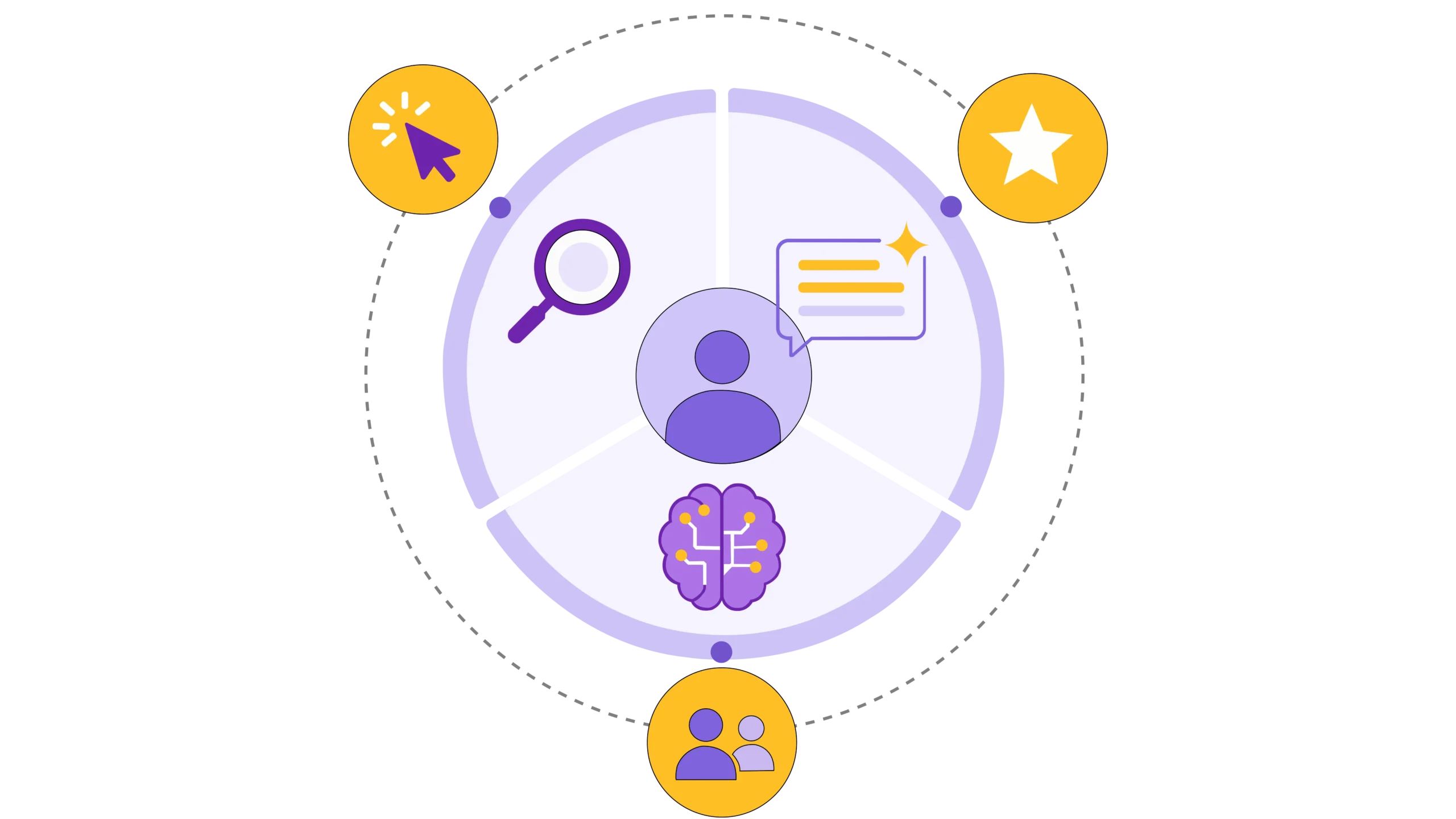
Definitions are easy. The harder question is what changes for the person writing or paying for content.
SEO wins a click. The user lands on your site and you get the chance to convert them.
AEO wins a snippet or an answer placement. The user might never click, but they see your brand as the source of the answer, and you build authority that compounds.
GEO wins a mention. There is no ranking position inside ChatGPT. There is only whether your brand is named, cited, or referenced inside the AI’s response.
The reward is brand presence at the moment of decision.
Each layer rewards different shapes of content.
SEO still favours comprehensive pillar pages that cover a topic in depth. Long form, well structured, with strong internal linking.
AEO favours short, direct, structured answers. A 40 to 60 word paragraph under a question heading often beats a 2,000 word essay for snippet capture.
GEO favours comparison content and opinion. One study of AI citations found comparison articles make up 32.5% of cited content. Opinion pieces account for around 10%. Neutral commodity content gets ignored.
This is where things get uncomfortable.
SEO has decades of agreed metrics. Rank, organic traffic, conversions, backlinks.
AEO is measurable but trickier. Featured snippet share, AI Overview impressions, People Also Ask appearances. The tools are catching up.
GEO measurement is still immature. Roughly 40 to 60% of sources cited in Google AI Mode and ChatGPT change month over month. There is no stable “position one.”
Honest agencies will admit this. Anyone selling guaranteed GEO rankings is selling fiction.
Here is where most articles on this topic go flat. They list the three side by side, hand you a comparison table, and walk away. That misses the point.
These are not three competing strategies. They are three layers, and they stack in a specific order.
Go back to the opening stat. 99% of pages cited in Google AI Overviews are already in the organic top 10.
That number is not a coincidence. AI systems trust the same signals search engines have spent 25 years refining: relevance, authority, depth, trust.
If your page does not rank organically, it is almost certainly not being pulled into AI Overviews.
If your domain has thin backlinks and weak content, ChatGPT and Perplexity are not citing you either.
The idea that you can skip SEO and jump straight to AI visibility is wishful thinking.
The foundation has to exist first.
This is especially true for Indian SMBs and early stage businesses. Most haven’t fully built out their organic SEO yet. Telling them to abandon that work for GEO is bad advice.
Once you rank, AEO is the next layer. You take pages that already perform organically and restructure parts of them for extraction.
The mechanics matter. Pages with FAQ schema are around 3.2 times more likely to appear in Google AI Overviews.
Clear question headings, direct first sentence answers, and clean structured data are the difference between ranking and being quoted.
AEO is leverage on top of SEO. Without ranking pages, there is nothing to extract.
GEO is the highest layer, and it rewards what came before it. Brands in the top 25% for general web mentions get around 10 times more AI citations than brands in the next quartile down. That gap is not subtle.
What this means in plain language: AI tools cite brands they already see everywhere else.
The work of GEO is partly on your own site and largely off it. You earn citations by being a recognised name across the open web first.
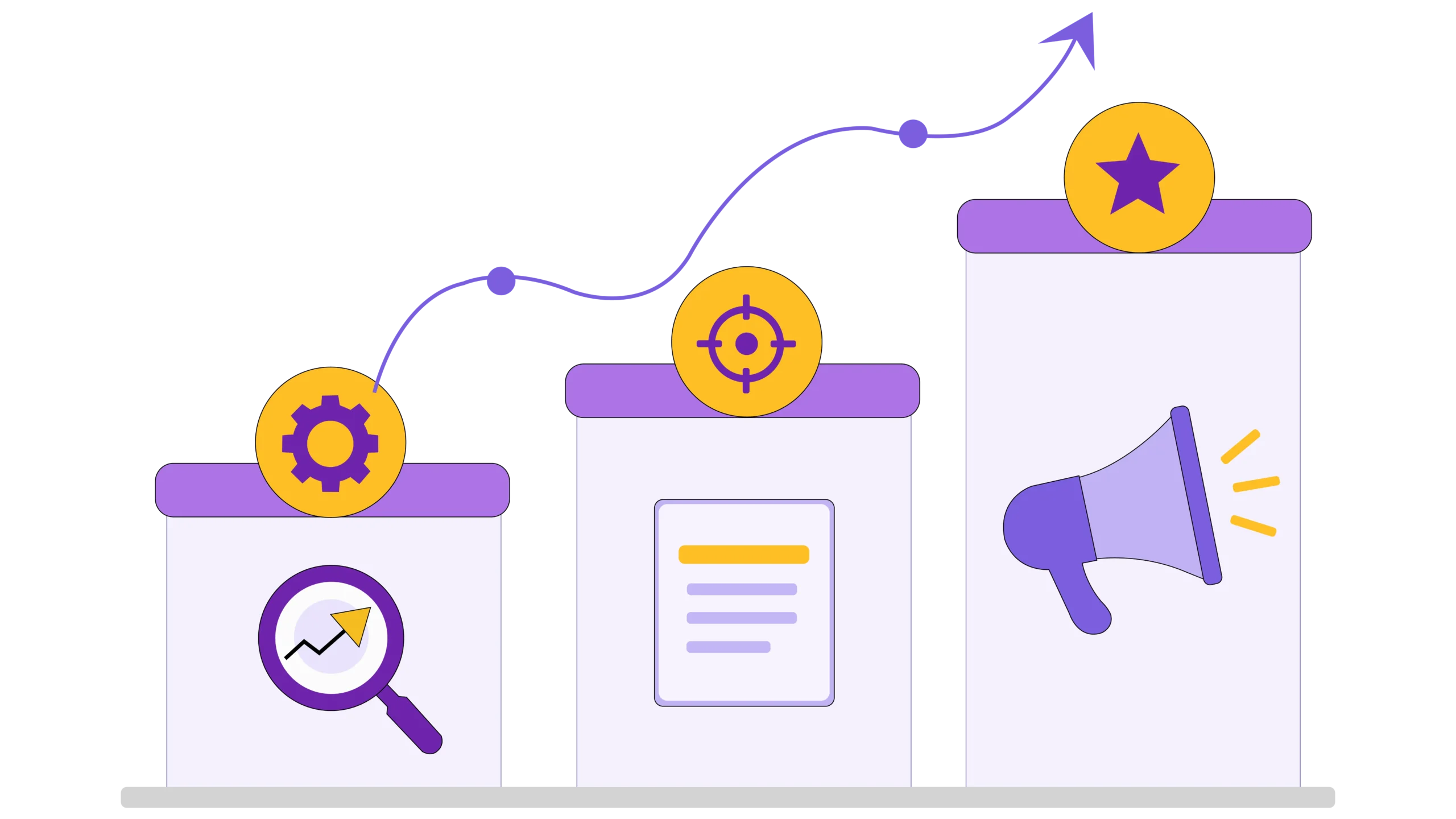
This is the practical question. Skip the rest if you want, but read this part.
Be honest about where you are. Search your top five commercial keywords. If you are not on page one for most of them, your problem is not GEO. Your problem is foundational SEO.
For most small and mid-sized businesses in India, this is the real starting point.
You need solid keyword targeting, well written cornerstone pages, working internal links, fast load times on mobile, and a backlink profile that gives Google a reason to trust you.
Without that, the rest is decoration.
Spend six to twelve months getting organic visibility right. Then build the next layer.
The signal you are ready for AEO: you have multiple pages in the organic top 10, but the featured snippet and People Also Ask boxes keep going to competitors. The AI Overview cites three other companies, not you.
That is an extraction problem, not a ranking problem. The page is good enough to compete. It is just not structured for machines to lift the answer out cleanly.
Work on question-based headings, direct two-sentence answers at the top of each section, FAQ schema, and HowTo schema where relevant.
Tactics for this come in the next section.
You are ready for GEO when you already have consistent organic visibility, an established brand that gets mentioned in your industry, and a healthy backlink profile.
Now the work shifts off your own site. You invest in third-party mentions, comparison content, opinion-driven thought leadership, and presence on the platforms AI tools love.
Reddit, LinkedIn, YouTube, industry forums, Quora.
GEO without SEO is like trying to throw a ladder at the sky. GEO on top of strong SEO compounds fast.
Here is the concrete work. Things you can start tomorrow.
Under each H2, lead with a direct, two to three sentence answer to the question implied by the heading. Then expand.
If the H2 is “What is GEO,” the first paragraph should answer that in plain language inside 40 to 60 words.
AI systems and featured snippet algorithms scan for these compact, self-contained answer blocks. Burying the answer in paragraph four loses the snippet to a competitor who put it in paragraph one.
Phrase your H2s and H3s as the questions your customers actually ask. “How much does X cost,” “What is the difference between Y and Z,” “When should I do A versus B.”
This article does it on purpose. Question headings match the natural shape of voice and AI queries. They also signal to extraction systems exactly what answer follows.
FAQ schema, HowTo schema, Article schema. These are non-negotiable for AEO. Schema-rich pages are roughly 3 times more likely to earn AI citations than pages without it.
If you have not implemented structured data across your important pages, that is one of the highest-leverage fixes available right now.
Voice and AI queries are longer and more conversational than typed search. Optimize for the specific, niche, multi-word phrases your customers actually use, not just head terms.
A page that answers “what is the best digital marketing agency in Kolkata for a small e-commerce store” will outperform a page chasing “best digital marketing agency” alone in AI answer scenarios.
This is the section most agencies skip or get wrong. Pay attention.
Here is the uncomfortable truth: your own website is not the main source of AI citations. In some studies, owned content makes up less than 4% of total AI citations.
What dominates instead?
Reddit, YouTube, LinkedIn, Wikipedia, news publications, industry forums.
Reddit is the most cited domain in many LLM responses, with one analysis of 30 million sources placing it at the top.
LinkedIn ranks number one for B2B professional queries, with Semrush identifying nearly 90,000 LinkedIn URLs cited across AI tools.
If your GEO strategy is “publish more blog posts on our own site,” you are missing where the game is actually played.
The work is presence on the platforms AI trusts, not just on your own domain.
AI models are pattern matchers. If your brand is mentioned positively across multiple independent sources, they treat it as relevant and citable.
One study found brands mentioned positively across four or more non-affiliated forums are around 2.8 times more likely to be cited by ChatGPT.
That means real PR, real reviews, real podcast appearances, real Quora and Reddit threads, real industry roundups. Not paid placements that look like ads. Genuine mentions in genuine conversations.
This is slow work. It compounds.
Comparison articles make up around 32.5% of all content cited in AI answers. “X vs Y,” “Best tools for Z,” “Alternatives to A.”
Opinion pieces with a clear position make up another 10%. And neutral, fence-sitting commodity content gets passed over.
AI tools want sources with a stance, because users want answers, not equivocation.
Take positions. Compare openly. Be willing to say one option is better than another and explain why.
Wikipedia, government domains. major industry publications. established trade outlets.
AI models lean heavily on the same trusted sources humans do. A single citation in a respected industry publication can move your AI visibility more than a hundred posts on your own blog.
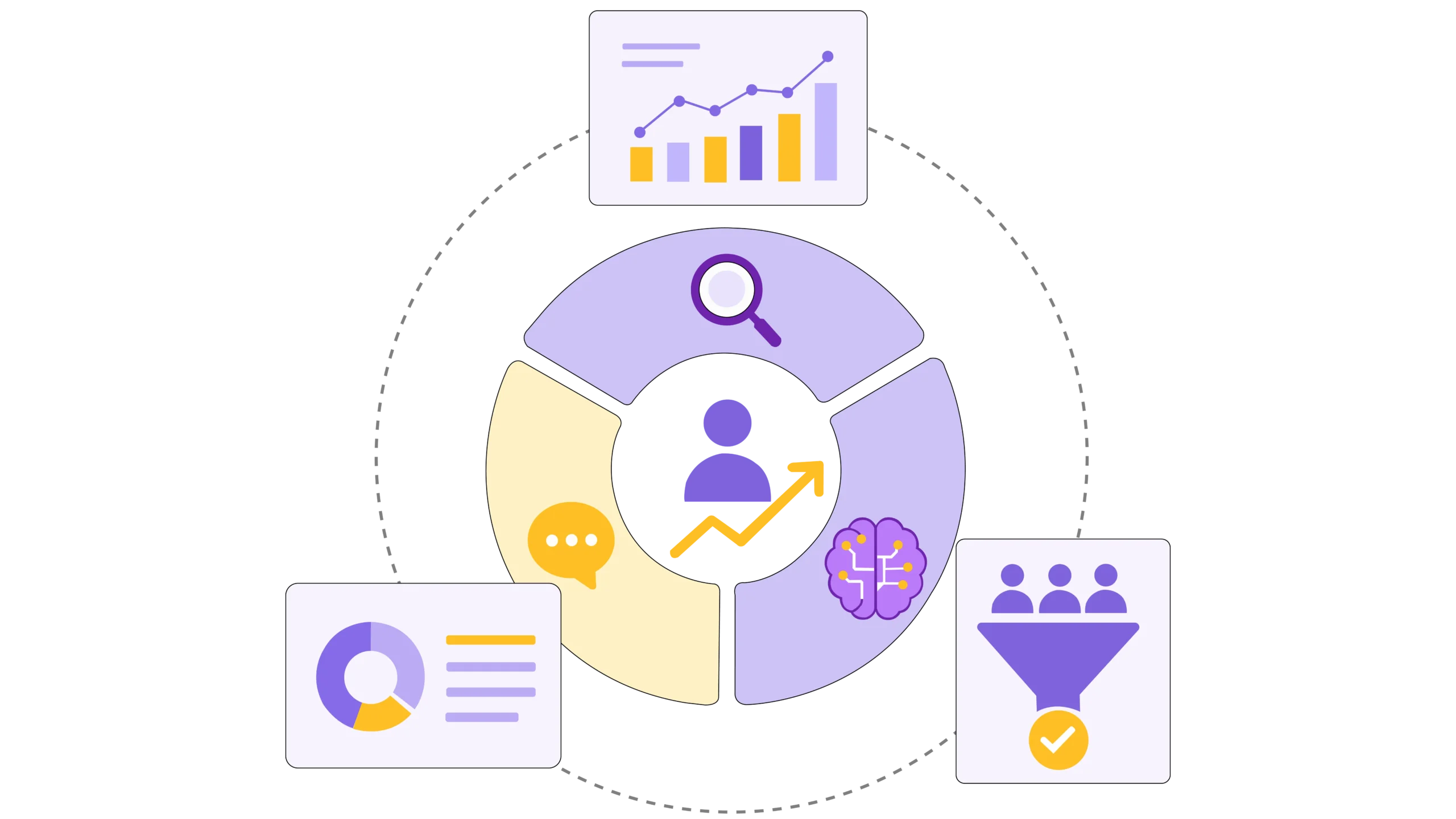
The honest answer: measurement is messy right now. The tools are catching up but none are perfect. Here is how to think about it.
Don’t abandon what works.
Rank, organic sessions, conversions, backlinks, keyword visibility.
These are still the cleanest signals you have, and they remain the strongest predictors of AI visibility too. If your SEO metrics are healthy, AEO and GEO performance usually follow.
For AEO: AI Overview impression rate, featured snippet share, People Also Ask appearances.
For GEO: citation share inside AI tools, brand mention frequency, share of voice across LLMs.
Tools worth watching include Profound, Peec AI, Ahrefs Brand Radar, and Semrush’s AI toolkit.
None are mature. Treat early data as directional, not gospel. Watch trends over months, not days.
Here is the number that reframes everything.
AI-referred visitors convert at roughly 4.4 times the rate of traditional organic traffic, according to data from HubSpot and Adobe.
The volume is small. AI referrals currently make up around 1.08% of average website traffic. But the quality is dramatically higher.
Users who arrive through ChatGPT or Perplexity have already had a guided conversation about their problem. They know what they want. They are closer to the buy.
That changes the ROI conversation entirely. You are not chasing volume with GEO. You are chasing intent.
A quick run through the most common mistakes we see.
The single biggest one. Businesses with thin organic visibility hiring “GEO specialists” to get them into ChatGPT.
It does not work that way. The AI tools are reading the same web Google reads. If you are not visible in one, you will not be visible in the other.
You do not need three different agencies. You need one strategy that respects the layers. SEO, AEO, and GEO use the same underlying assets. Splitting them across vendors fragments the work and dilutes results.
The own-site obsession kills GEO performance. If 96% of AI citations come from somewhere other than your domain, then 96% of your GEO effort should probably be off-site too.
Most teams get this ratio backwards.
Around 40 to 60% of sources cited by AI tools change month over month. There is no permanent number one. Anyone promising stable AI rankings is either lying or new to this.
The work is building a consistent presence, not a fixed position.
AI SEO vs AEO vs GEO is not a choice. It is a stack.
SEO is the foundation that earns you ranking → AEO is the layer that turns rankings into extracted answers → GEO is the layer that turns brand presence into AI citations.
Each one sits on top of the one before it. Skip a layer and the upper ones do not hold.
Your job this week is to figure out which layer you are actually on.
Pick the right layer, do the work, then climb.
If you are not sure which layer your business is missing, that is the kind of audit we do at Digital SEO Land. A clear look at where your current visibility stands and what the realistic next step is, no acronym theatre.
Get in touch if you want a second pair of eyes on your strategy.

AI Services




Link Building




Resources